

When a property isn’t selling most real estate agents are quick to suggest a reduction to the sales price. It is common to see the tag line “Price Reduced” added to for sale signs, listings and ads. Rather than reducing price it pays to consider offering owner financing to sell a property quickly. … [Read more...] about Need to Move a Property? Consider Owner Financing!
Sell Private Mortgage Note
Recipe for Success!
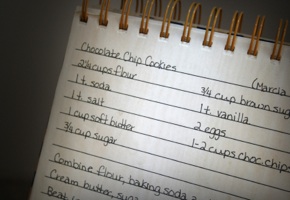
The stock market continues to retreat. Personal portfolios are dwindling. It is a “buyers market” in real estate. Banks, despite an unprecedented federal bailout, are tightening their lending programs so the average purchaser can’t obtain a loan. This is the recipe the private mortgage industry was founded on – and it has returned. … [Read more...] about Recipe for Success!
Working with Private Investors
There is a squeeze on Wall Street that is leading many note buyers back to Main Street. The drought of institutional money from the sub prime mortgage crisis is creating a resurging interest in working with private investors for the purchase of seller-financed notes. … [Read more...] about Working with Private Investors
What the Federal Bailout Means to Seller Financing
Worried about the effect of toxic mortgages on the overall economy, the Federal government is pulling out the checkbook to help bailout failing mortgage companies. It started with Fannie Mae and Freddie Mac and now includes a proposal for another $700 billion infusion of funds. Why is the government involved and what does it mean for seller financing? … [Read more...] about What the Federal Bailout Means to Seller Financing
What is a Partial Note Purchase?
When a seller allows a buyer to purchase property on installment the terms of repayment are usually spelled out in a Promissory Note or Real Estate Contact. Sellers may also elect to sell and assign their rights to future payments. When an investor purchases all the remaining payments it is considered a full purchase. When an investor purchases just a portion of the remaining … [Read more...] about What is a Partial Note Purchase?